


The web hosting industry is entering a more demanding phase of maturity. As we look toward 2026, providers are moving beyond volume-driven growth and refocusing on deeper customer value, higher-margin services, and stronger technical partnerships.
At WebPros, we partnered with CloudLinux to survey 446 hosting providers globally, gaining deeper insight into the challenges and opportunities shaping the year ahead. While 65% of providers reported revenue growth in 2025, sustaining profitability is becoming more complex as operational costs rise and pricing pressure continues.
Here are the key signals hosting providers are sending, and what they reveal about the future of the industry. At the center of this shift is a clear move upmarket, reshaping how providers position and package their services.
Download the complete Web Hosting Trends Report 2026 to explore the full data set and strategic insights shaping the year ahead.
The Move Upmarket and the Service Expansion
Traditional shared hosting remains a staple, but the shift upmarket in 2026 is being driven by VPS and dedicated hosting. Providers are increasingly moving away from price-led competition, choosing instead to differentiate through:
- Website speed and performance, cited by 55% of providers as the primary reason customers choose them.
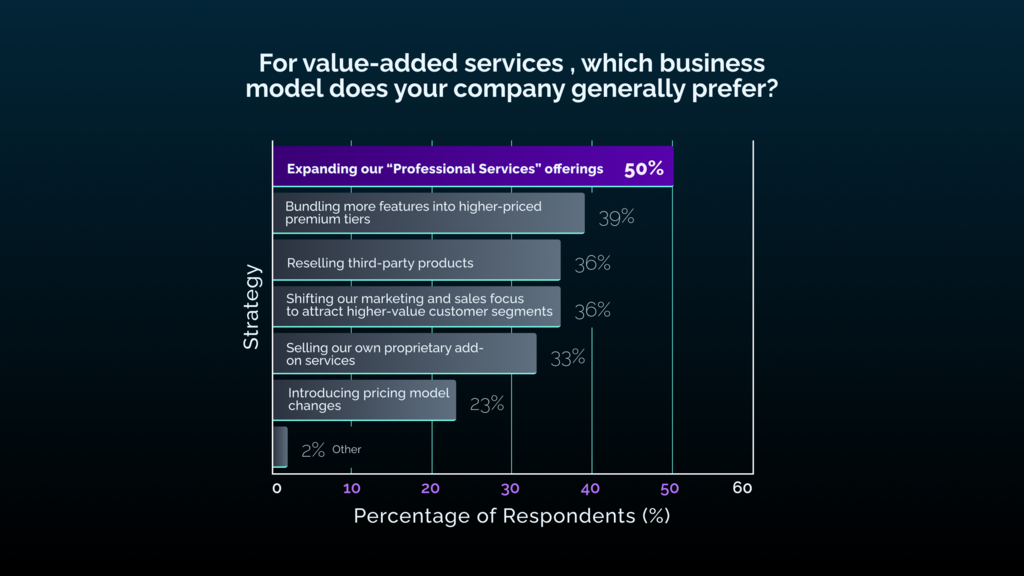
- 50% of hosting providers plan to expand professional services, such as site builds and security remediation, as a new revenue stream.
- Reliable, high-quality support remains one of the top three drivers of customer retention.
Overall, the dominant approach is to include value-added services within hosting plans, rather than treating everything as separate à la carte upsells. But moving upmarket isn’t only about expansion, it’s also about defense.
Defending Against Churn and SaaS Platforms
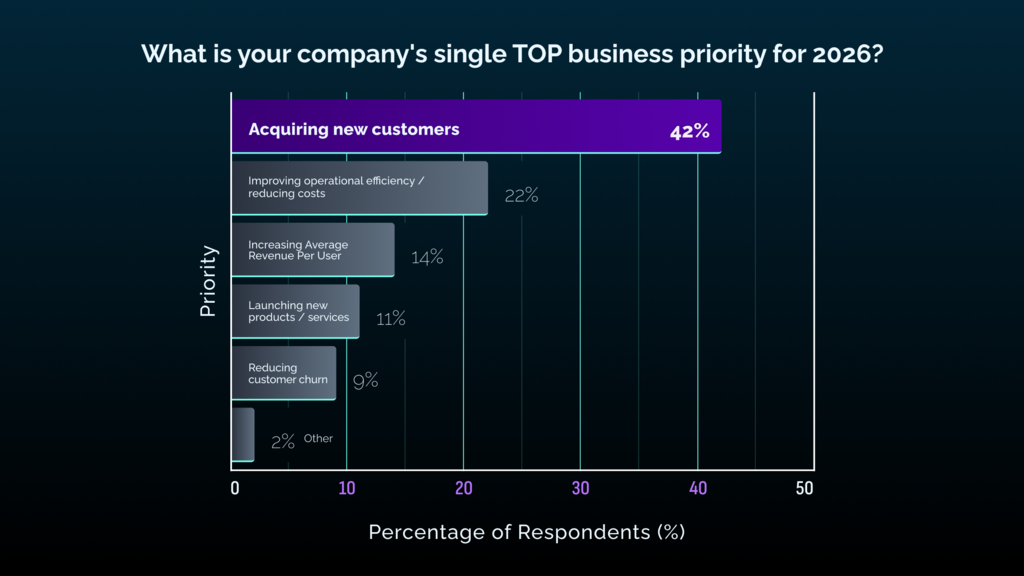
Acquiring new customers remains the top priority for 42% of hosters, but retention is emerging as the harder, more strategic challenge. Beyond price sensitivity, 41% of providers cite increased competition from SaaS platforms like Wix and Shopify.
In response, providers are placing greater emphasis on the flexibility of open platforms, supported by tools and services that match the convenience customers expect. Competing effectively, whether against SaaS platforms or other hosts, increasingly depends on operational efficiency and technical leverage.
The Future of the Stack: Innovation and Consolidation
As the home of leading platforms such as cPanel and Plesk, WebPros has a front-row view into how providers manage control panels and infrastructure software at scale. The market is signaling a clear shift toward integrated, automated management, driven by scale, cost pressure, and shrinking tolerance for manual work.
Control Panels in Use
The market remains dominated by a few key players, but diversity is the reality of the modern server fleet.
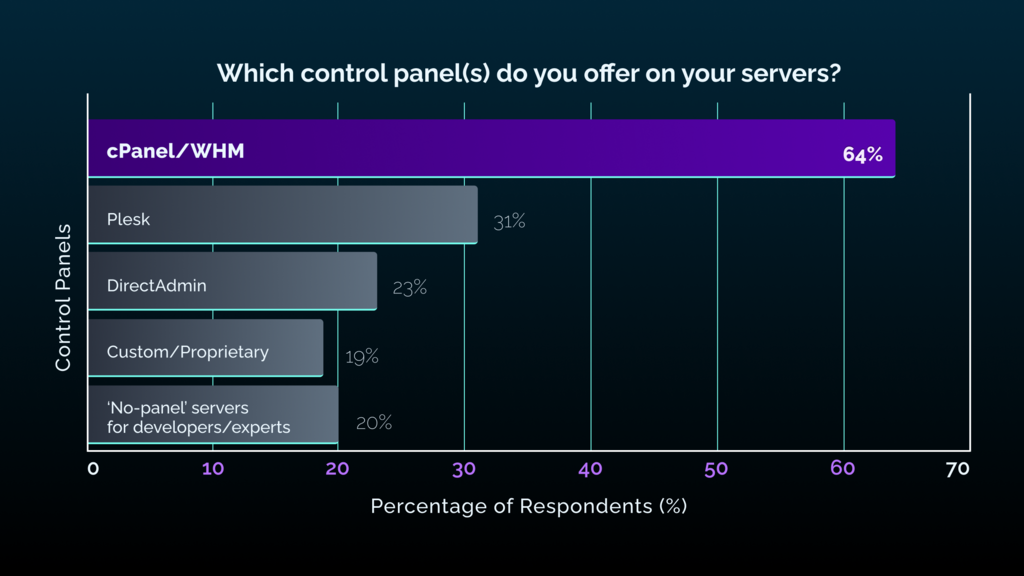
- cPanel/WHM leads the market with 64% adoption, followed by Plesk at 31%.
- Many providers operate multiple control panels to support different customer segments and service models.
- 20% of providers offer no-panel servers for advanced developers, highlighting the need for tools that support both managed and unmanaged environments.
This diversity creates flexibility for customers, but complexity for operators.
The Appetite for a Unified Dashboard
One of the clearest findings is that tool sprawl has become an operational liability.
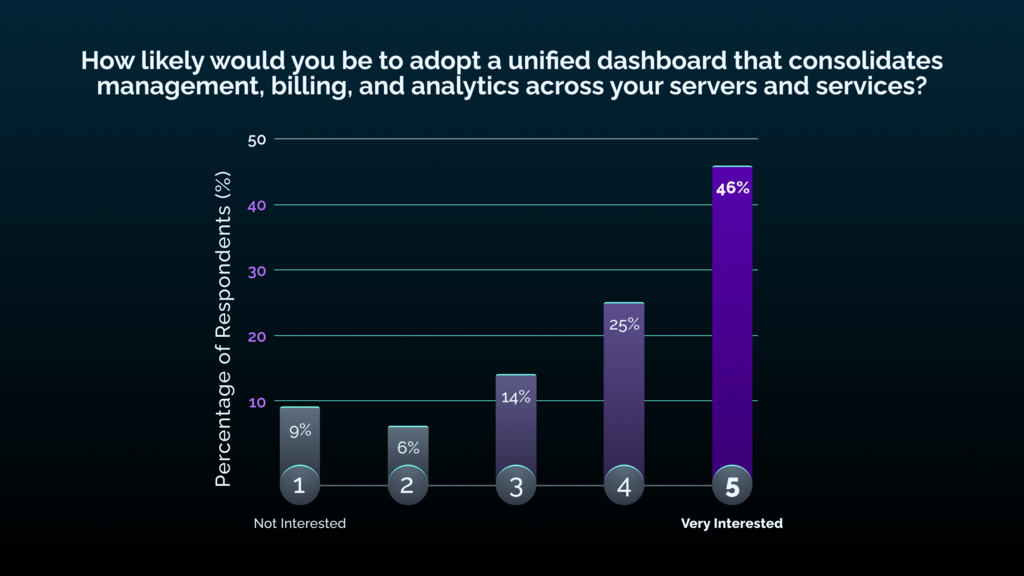
- 71% of providers expressed significant interest in a unified dashboard that consolidates management, billing, and analytics across their entire infrastructure.
- As infrastructure fleets grow, panel-by-panel monitoring quickly breaks down, increasing the need for centralized, fleet-wide visibility.
Where Innovation is Needed Most
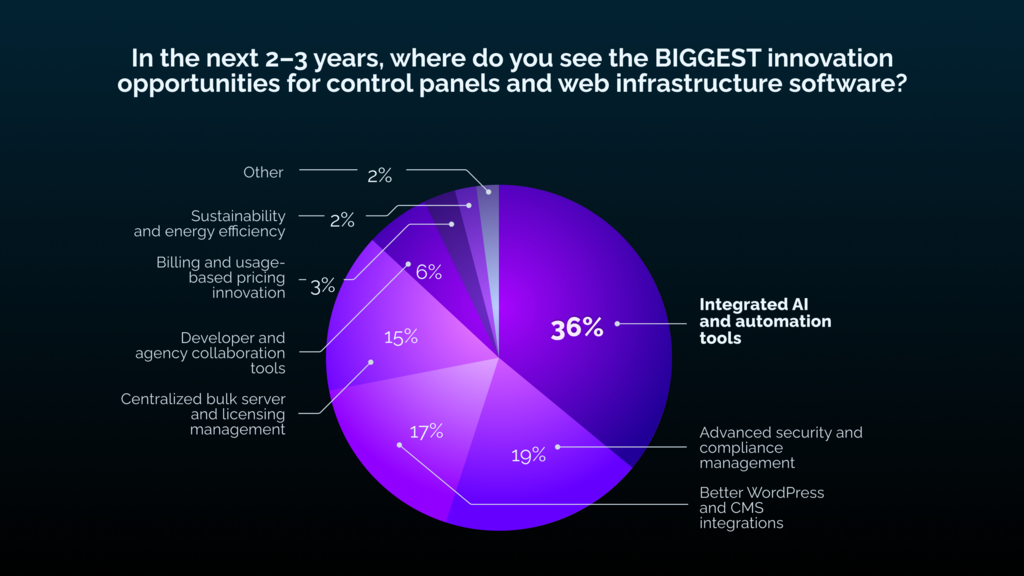
When asked where software vendors should focus their innovation, the message from hosting providers was clear: automation is a priority.
- 36% of providers identify integrated AI and automation as the single biggest innovation opportunity for control panels.
- This is followed by a demand for advanced security and compliance management (19%) and deeper WordPress/CMS integrations (17%).
For many providers, AI is becoming the practical engine behind this automation push.
The Growth of AI: From Experiment to Utility
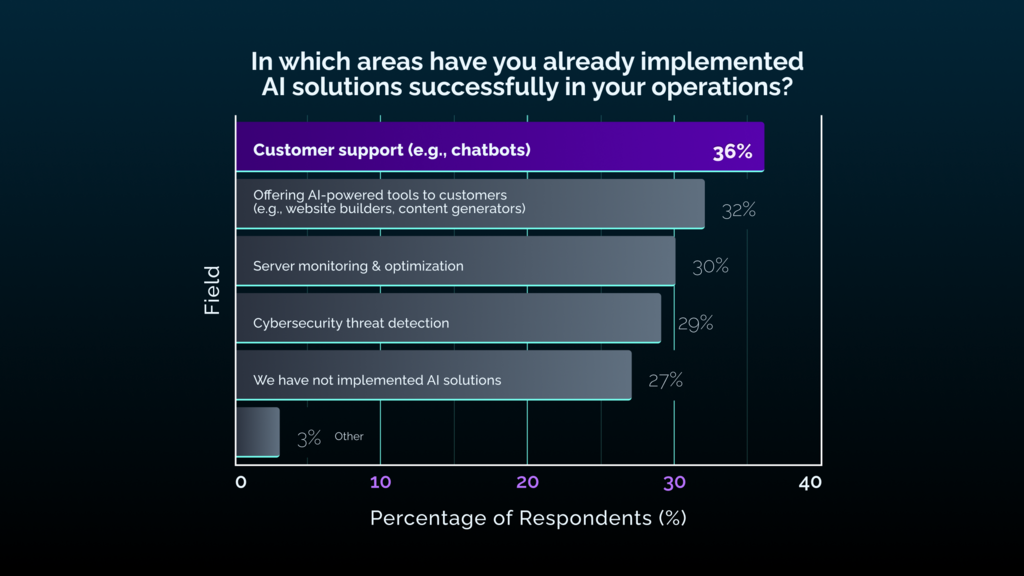
AI is set to play a central role in hosting operations in 2026. Rather than experimentation, providers are prioritizing AI that delivers immediate operational impact:
- Current Use: 36% already leverage AI for customer support and chatbots.
- Future Demand: The biggest wishlist items for AI include automated site security (65%) and predictive performance monitoring (48%).
What’s Next: Dive Deeper into the Data
Despite mounting complexity, the industry outlook remains confident. With 71% of providers reporting they feel prepared for the year ahead, the focus for 2026 is consolidation: unifying tool stacks, eliminating manual overhead, and delivering a high-touch, high-performance experience in an increasingly crowded market.
Download the complete Web Hosting Trends Report 2026 to dive deeper into the data.